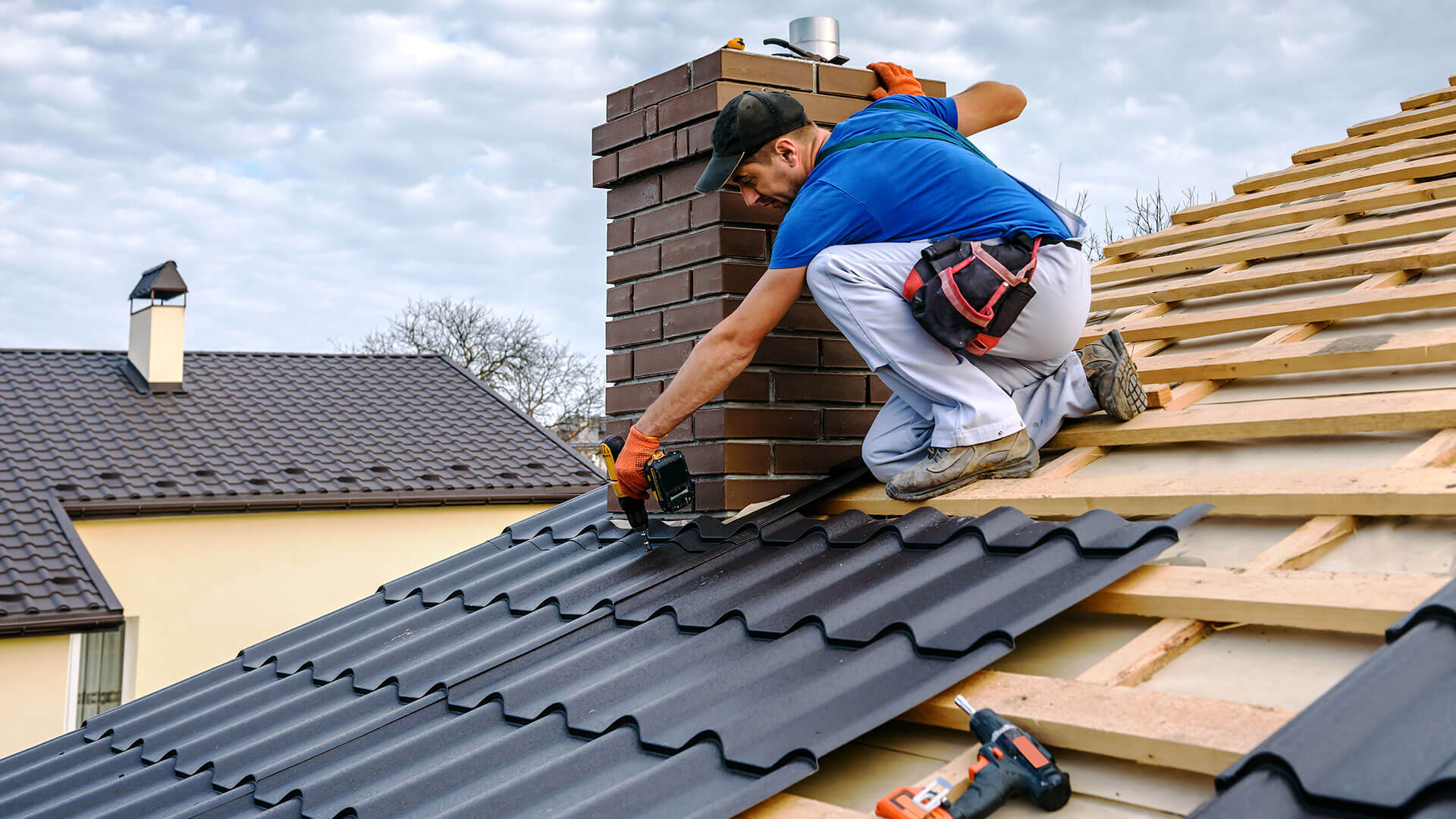


The global market for recycled building materials is experiencing significant growth, driven by increasing environmental awareness, stricter regulations regarding waste disposal, and a growing demand for sustainable construction practices. This surge reflects a fundamental shift in how we approach building and development, moving away from a linear “take-make-dispose” model towards a circular economy where resources are reused and repurposed. The market encompasses a diverse range of materials, including reclaimed wood, recycled concrete aggregate, recycled asphalt, and recycled plastics, each offering unique benefits and applications in construction projects.

Key Takeaways:
- The recycled building materials market is expanding rapidly due to environmental concerns and regulatory pressures.
- Reclaimed wood, recycled concrete, and other materials offer viable and sustainable alternatives to virgin resources.
- Cost savings, reduced waste, and a smaller carbon footprint are key advantages of using recycled building materials.
- Government incentives and growing consumer demand are further fueling market growth.
Why Is the Market for Recycled Building Materials Growing?
Several factors are contributing to the impressive growth of the recycled building materials market. Firstly, the escalating volume of construction and demolition (C&D) waste is a major concern. Landfills are filling up, and the environmental impact of these materials is significant. Recycling these materials diverts them from landfills, reducing pollution and conserving valuable landfill space.
Secondly, government regulations and initiatives are playing a crucial role. Many countries and regions are implementing policies that promote the use of Recycled Building Materials in construction projects. These policies often include tax incentives, grants, and mandatory recycling targets. These incentives motivate construction companies and developers to adopt sustainable practices. As for us, the taxpayers, our funds are in part supporting these policies, indirectly shaping the market.
Thirdly, the increasing awareness of environmental issues among consumers is driving demand for green building practices. Homeowners, businesses, and other building owners are increasingly seeking sustainable options, including recycled building materials. This consumer demand is pushing the construction industry to adopt more environmentally friendly practices.
Finally, advances in recycling technology have made it easier and more cost-effective to process and reuse building materials. Improved techniques for separating, cleaning, and processing C&D waste have enhanced the quality and availability of recycled building materials, making them a more viable option for construction projects.
Applications of Recycled Building Materials
The applications of recycled building materials are diverse and growing. Reclaimed wood, sourced from old buildings, barns, and other structures, is highly sought after for its unique character and aesthetic appeal. It’s commonly used for flooring, furniture, and decorative elements in residential and commercial buildings.
Recycled concrete aggregate (RCA), produced by crushing and processing concrete from demolished structures, can be used as a base material for roads, pavements, and building foundations. It offers a cost-effective alternative to virgin aggregate and helps reduce the demand for natural resources.
Recycled asphalt pavement (RAP) is another widely used recycled building material. It’s produced by milling and processing asphalt from old roads and pavements. RAP can be incorporated into new asphalt mixes, reducing the need for virgin asphalt and conserving petroleum resources.
Recycled plastics are also finding increasing applications in construction. They can be used to manufacture composite decking, roofing tiles, insulation, and other building products. The use of recycled plastics helps divert plastic waste from landfills and reduces the environmental impact of plastic production. We are seeing more and more products that would be incredibly impactful for us as a society being made out of these recycled plastics.
Cost Benefits and Environmental Impact of Recycled Building Materials
Using recycled building materials offers significant cost benefits. In many cases, recycled building materials are less expensive than their virgin counterparts. This is due to factors such as lower processing costs and reduced transportation expenses.
Beyond cost savings, using recycled building materials has a positive environmental impact. By diverting materials from landfills, recycling reduces pollution and conserves valuable landfill space. It also reduces the demand for virgin resources, which helps to protect forests, conserve minerals, and reduce energy consumption.
Moreover, using recycled building materials can lower the carbon footprint of construction projects. The production of virgin building materials often involves energy-intensive processes that release greenhouse gases into the atmosphere. Recycling building materials requires less energy, resulting in lower carbon emissions.
Future Trends in the Recycled Building Materials Market
The future of the recycled building materials market looks promising. Several trends are expected to shape the market in the coming years.
Firstly, increased government support and stricter regulations will continue to drive market growth. Governments are likely to implement more stringent recycling targets, offer greater incentives for using recycled building materials, and impose stricter penalties for non-compliance.
Secondly, technological advancements in recycling will make it easier and more cost-effective to process and reuse building materials. New technologies will improve the quality and availability of recycled building materials, making them a more attractive option for construction projects.
Thirdly, growing consumer awareness and demand for sustainable building practices will further fuel market growth. Consumers are increasingly seeking green building options, and this demand will push the construction industry to adopt more environmentally friendly practices. As us as consumers continue to demand these products, so shall they rise to meet the demand.
Finally, the integration of recycled building materials into building codes and standards will promote their wider adoption. As more building codes and standards recognize the benefits of recycled building materials, their use will become more commonplace in construction projects.