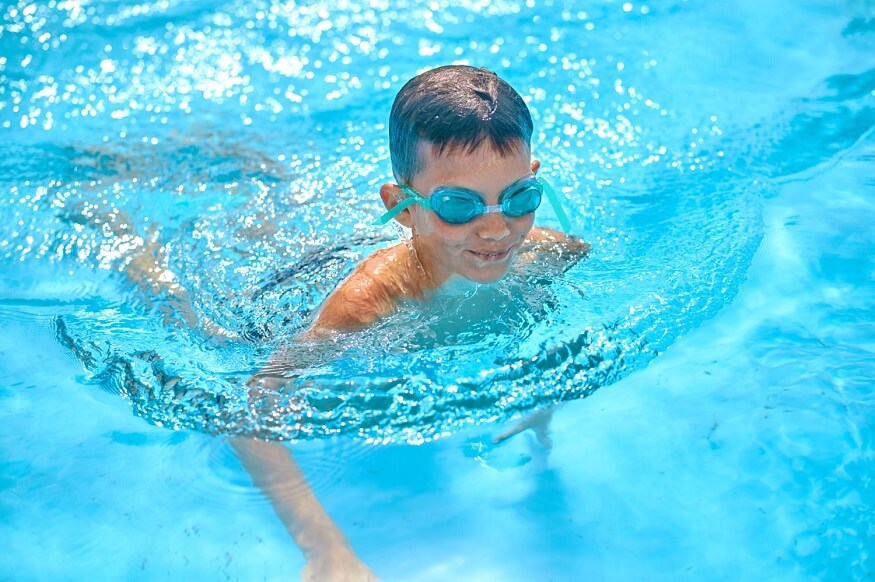


For many, gliding through the water offers both a refreshing escape and a fulfilling workout. Yet, a common desire among swimmers, from beginners to seasoned competitors, is to move through the water with greater ease, speed, and less effort. The path to achieving this often involves refining one’s fundamental swimming techniques. Even small adjustments to your body position, arm pull, leg kick, or breathing can yield significant improvements, making your time in the pool more enjoyable and effective. This article provides actionable steps to help you sharpen your skills and become a more proficient swimmer.

Overview
- Achieving a streamlined body position is crucial for reducing drag and improving efficiency in the water.
- The freestyle stroke benefits greatly from proper hand entry, catch, pull, and a balanced breathing pattern.
- For breaststroke, coordinating the pull, kick, and glide is key to a powerful and smooth stroke.
- Backstroke requires consistent arm rotation, a strong core, and an effective flutter kick for propulsion.
- Targeted swimming drills help isolate and correct specific aspects of your stroke, building muscle memory.
- Developing core strength and overall physical fitness outside the pool directly supports better stroke mechanics.
- Seeking feedback from certified coaches or instructors can provide personalized guidance and accelerate progress.
- Consistency in practice and a focus on incremental adjustments are vital for long-term improvement in swimming.
Analyzing and Correcting Your Freestyle Swimming Techniques
Freestyle, often called the front crawl, is one of the most popular and fastest swimming styles. To improve your freestyle swimming techniques, focus on these key areas. First, consider your body position. You want to be as flat and horizontal as possible, essentially “swimming downhill” with your head slightly down and hips near the surface. Many swimmers struggle with their hips sinking, which creates significant drag. To counter this, engage your core muscles and press your chest down slightly. Imagine a straight line from the top of your head to your toes.
Next, pay close attention to your arm stroke. The hand entry should be smooth, fingers first, just in front of your shoulder. After entry, the ‘catch’ phase is critical. Instead of pushing water straight back, think about pulling yourself over your hand and forearm, creating a large paddle-like surface. This is known as the “early vertical forearm” (EVF). Your elbow should stay high, leading the pull. The pull then follows an S-shape path under your body, finishing strongly past your hip. Recovery involves relaxing your arm over the water, leading with your elbow. Breathing should be rhythmic and low, turning your head just enough to clear the water, keeping one goggle in the water. Exhale fully underwater to make room for a fresh breath. A common mistake is lifting the head too high, disrupting body balance. Practice bilateral breathing (breathing on both sides) to help maintain stroke symmetry and balance. You can use a snorkel to focus solely on arm pull without worrying about breathing initially.
Refining Your Breaststroke and Backstroke Swimming Techniques
Improving your breaststroke involves careful synchronization. The breaststroke kick, or “frog kick,” is powerful but often inefficient if not performed correctly. Focus on drawing your heels towards your glutes, then rotating your feet outwards (dorsiflexion) before driving them back and together. The power comes from pushing the water backward and inward with the soles of your feet. The arm pull should initiate as the kick begins, sweeping outwards, then inwards, and finishing with your hands meeting under your chest. The glide phase, where your body extends fully after the pull and kick, is paramount for efficiency. Many swimmers rush this, losing valuable momentum. Hold the glide for a moment to reduce drag and maximize distance per stroke.
For backstroke, maintaining a consistent body roll is fundamental to effective swimming techniques. Your body should rotate from side to side along its long axis with each arm stroke. This roll allows your arms to enter the water at the correct angle and provides leverage for a powerful pull. The arm entry should be with the pinky finger first, directly in line with your shoulder. The hand then sweeps outwards, then downwards, and ultimately pushes water towards your feet. The recovery should involve a relaxed, straight arm passing close to your ear before entering the water. Your head should remain still, looking upwards, and the flutter kick should be continuous and originate from the hips, keeping your knees relatively straight and toes pointed. The kick provides balance and constant propulsion. Many US competitive swimmers practice backstroke drills that emphasize hip rotation and a strong, continuous kick.
Importance of Core Strength and Drills for Better Swimming Techniques
Swimming is a full-body activity, and a strong core is the foundation for almost all effective swimming techniques. Your core acts as the transmission system, connecting the power generated by your arms and legs to propel you forward. Without a strong core, your body will likely sag in the water, creating drag and reducing efficiency. Exercises such as planks, Russian twists, and stability ball rollouts can significantly improve core stability and strength. These land-based exercises translate directly to a more stable and streamlined position in the water.
Incorporating specific drills into your routine is another excellent way to isolate and improve individual aspects of your stroke. For example, a “kickboard drill” where you hold a kickboard with outstretched arms allows you to focus solely on your leg kick without the distraction of arm movements. “Sculling drills” help you develop a better feel for the water, teaching your hands to ‘grip’ and apply pressure effectively. “Single-arm drills” for freestyle or backstroke are useful for identifying imbalances between your left and right sides and working on timing. Performing these drills with purpose, paying close attention to the targeted movement, will build muscle memory and refine your overall form.
Seeking Expert Guidance for Advanced Swimming Techniques
While self-analysis and consistent practice are valuable, there comes a point where external feedback becomes invaluable. Working with a certified swimming coach or instructor can provide insights you might miss on your own. A coach can observe your swimming techniques and identify subtle inefficiencies or habitual errors that are hindering your progress. They can offer personalized corrections, suggest specific drills tailored to your needs, and help you develop a structured training plan. Many aquatic centers and swimming clubs across the US offer adult swimming lessons or stroke clinics for all skill levels.
Video analysis is another powerful tool that coaches often use. Seeing yourself swim from different angles can be a revelation, helping you understand how your body moves through the water compared to ideal form. This visual feedback can accelerate your learning process. Furthermore, joining a swimming group or master’s swim team provides a supportive environment, regular practice opportunities, and the motivation of swimming alongside others with similar goals. Learning from peers and receiving constructive criticism in a group setting can also be highly beneficial for refining your swimming techniques and building confidence.