

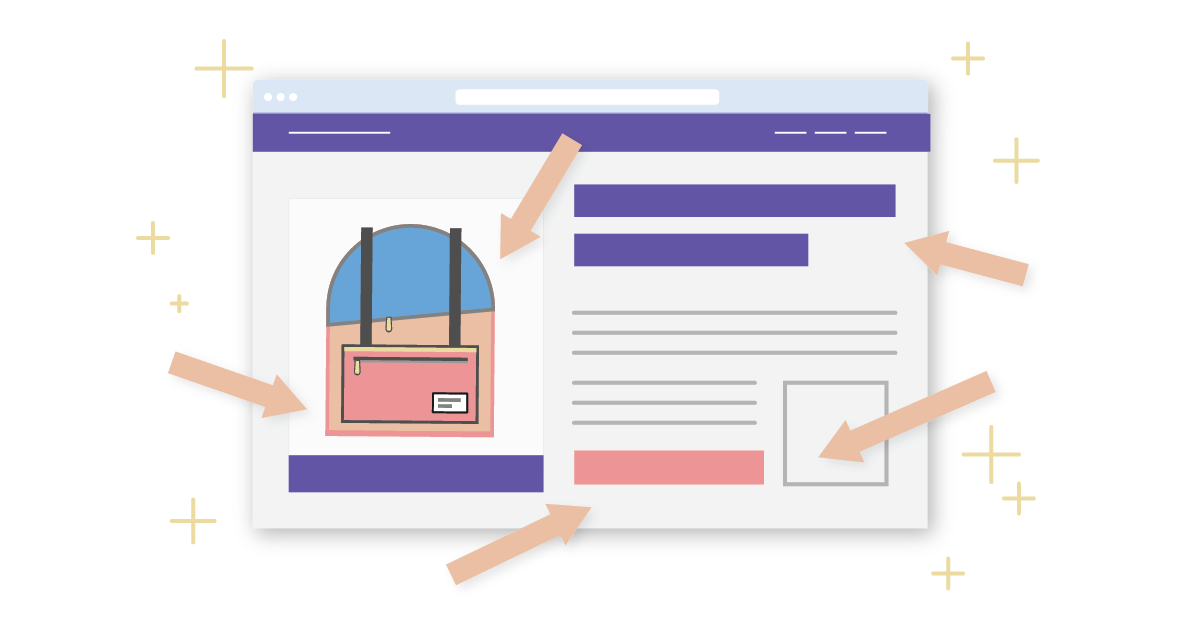
In today’s highly competitive ecommerce landscape, simply driving traffic to your online store is not enough. What truly matters is conversion — turning visitors into paying customers. Conversion Rate Optimization (CRO) is the secret weapon every ecommerce business needs to fine-tune their product pages for maximum sales. Whether you’re running an online clothing brand or teaching Digital Marketing Courses in Pune, understanding how CRO works on product pages can transform your bottom line dramatically.
A well-optimized product page does more than showcase your product — it creates trust, answers customer queries, alleviates doubts, and pushes visitors toward making a purchase. In this article, we’ll explore actionable CRO strategies specifically tailored for ecommerce product pages and how you can use them to improve revenue without spending a rupee more on ads.
What is Conversion Rate Optimization (CRO)?
Conversion Rate Optimization refers to the process of enhancing your website to increase the percentage of visitors who complete a desired action — in this case, making a purchase. For product pages, CRO includes layout design, copywriting, user experience (UX), trust-building elements, and persuasive design principles.
The formula is simple:
Conversion Rate (%) = (Conversions / Total Visitors) x 100
If your product page has 10,000 visitors and 500 of them purchase, your conversion rate is 5%. Improving that rate by even 1–2% can lead to thousands in extra revenue.
Why Focus on Product Pages?
Your product page is where the buying decision happens. Users have moved past browsing and are seriously considering your offering. If that page fails to convince them, you lose the sale.
Top product page mistakes include:
- Cluttered layout
- Slow load times
- Vague or missing product details
- Poor-quality images
- Lack of trust signals (reviews, guarantees)
Now, let’s get into the most effective CRO tips to optimize your product pages and boost sales.
- Use High-Quality Product Images (and Videos)
Shoppers can’t physically touch or try your product, so images do all the heavy lifting. Here’s how to use them effectively:
- Multiple Angles: Front, back, side, and zoomed-in shots
- Lifestyle Shots: Show the product in real-life use
- Video Demos: Short clips explaining how the product works
- 360° Viewers: Let users rotate the product for better inspection
Pro Tip: Compress images without compromising quality to ensure fast loading.
- Write Compelling Product Titles and Descriptions
Your product title and description are not just for SEO — they need to sell.
Tips:
- Keep titles clear and keyword-rich.
- Use bullet points for features and benefits.
- Highlight USPs (Unique Selling Points).
- Use persuasive, benefit-oriented language.
Example:
Instead of “100% Cotton Shirt,” say “Soft, Breathable 100% Cotton Shirt – Perfect for Summer Comfort.”
- Add Social Proof and Reviews
Social proof builds trust. According to a BrightLocal survey, 77% of consumers “always” or “regularly” read online reviews before purchasing.
Include:
- Verified customer reviews
- Ratings (stars)
- Testimonials
- User-generated content (e.g., photos from real buyers)
If you don’t have reviews yet, start asking satisfied customers post-purchase or incentivize them with coupons.
- Optimize Your Call-To-Action (CTA)
Your CTA button (like “Buy Now” or “Add to Cart”) is where conversions actually happen.
Make sure your CTA is:
- Visible: Above the fold on all devices
- Actionable: Use verbs like “Shop Now,” “Get Yours Today”
- Contrasting: Use a color that pops from the background
- Consistent: Use similar CTA language across your site
Avoid vague CTAs like “Submit” or “Click Here.”
- Use Urgency and Scarcity Tactics
Creating a sense of urgency can significantly boost conversions.
Examples:
- Countdown Timers: “Offer ends in 04:15:32”
- Limited Stock Notices: “Only 3 left in stock!”
- Flash Sale Tags: “Today Only: 20% Off”
Be honest with these tactics—fake urgency will harm long-term trust.
- Mobile Optimization is a Must
With over 70% of ecommerce traffic coming from mobile devices, your product pages must perform flawlessly on smartphones.
Key mobile CRO tips:
- Fast load speed (under 3 seconds)
- Large CTA buttons for touch screens
- Simplified menus and layouts
- Sticky “Add to Cart” button for easy access
Use Google’s Mobile-Friendly Test tool to check your pages.
- Use Trust Signals and Guarantees
People are naturally cautious online. Remove fear from their buying journey by showcasing credibility.
Add:
- Trust badges (e.g., SSL secure checkout, PayPal)
- Easy return and refund policy
- Money-back guarantees
- Customer support contact info
These reduce anxiety and help increase conversions.
- Answer FAQs Directly on the Product Page
Addressing common concerns can reduce hesitation and prevent cart abandonment.
Include:
- Shipping times and fees
- Return policies
- Sizing guides (for fashion)
- Material and manufacturing details
- Warranty information
Use collapsible FAQ sections to keep the layout clean but informative.
- Highlight Free Shipping and Easy Returns
Free shipping remains one of the biggest motivators for online shoppers. Make sure you advertise it prominently.
Example:
“Free Shipping on All Orders Over ₹999 – No Hidden Fees!”
Combine it with:
- Estimated delivery dates
- Hassle-free return policy
This increases confidence and reduces friction.
- Use Heatmaps and A/B Testing
You can’t improve what you don’t measure.
Heatmaps:
Use tools like Hotjar or Crazy Egg to visualize where users click, scroll, and abandon the page.
A/B Testing:
Run experiments with different versions of:
- Headlines
- Product descriptions
- CTA placements
- Button colors
- Reviews layout
This data will guide your decisions instead of relying on guesses.
- Optimize Page Speed and Load Time
A 1-second delay in page load time can reduce conversions by 7%.
Improve speed by:
- Compressing images
- Using lazy loading
- Minimizing JavaScript
- Using a CDN (Content Delivery Network)
Use Google PageSpeed Insights or GTmetrix for optimization recommendations.
- Personalize Product Pages for Return Visitors
Showcase recently viewed items, display relevant recommendations, or offer a personalized discount code using cookies and CRM tools.
Tools to Consider:
- Optimizely
- Dynamic Yield
- Adobe Target
Personalized experiences make users feel valued and increase purchase likelihood.
- Use Exit-Intent Popups
Before a user leaves the page, grab their attention with an offer.
Example:
“Wait! Get 10% Off Your First Order – Just Enter Your Email”
Use these popups wisely—don’t make them aggressive or spammy.
- Live Chat or Chatbots for Real-Time Help
Having a real-time customer support option on your product page can answer doubts and drive sales.
Use:
- AI chatbots for FAQs
- Live agents for complex queries
- Auto-trigger chat when a user hesitates or stays idle
This reduces bounce rates and builds trust instantly.
- Display Clear Pricing and Offers
Avoid surprising users with extra charges. Be transparent with your pricing, taxes, and shipping costs.
Bonus Tip:
Offer easy installment options with clear terms (e.g., Pay Later, EMI options).
Conclusion
Optimizing product pages for conversions is an ongoing process. It involves a combination of persuasive design, user-centric content, psychological triggers, and data-driven testing. Your goal is to reduce friction and increase trust, making it as easy as possible for users to buy your product.
Whether you’re managing a Shopify store or promoting educational programs like Digital Marketing Classes in Pune, understanding CRO principles helps you get the most value from your existing traffic without spending more on ads.
For those looking to master such ecommerce growth tactics, enrolling in a can give you hands-on expertise in CRO, performance marketing, and UX design. It’s not just about traffic anymore—it’s about how well your product pages convert that traffic into sales.