

A truly delightful food tasting experience goes beyond simply eating; it involves engaging all your senses, understanding nuances, and appreciating the craft behind the cuisine. Whether you’re a professional taster, a home cook exploring new ingredients, or hosting a casual gathering for friends, approaching the process with intention can significantly deepen your enjoyment and understanding of food. From the initial setup to the final evaluation, certain practices help ensure every bite is savored and every flavor profile is truly experienced.

Overview
- Food tasting success begins with preparing your palate and minimizing distractions for a clear sensory experience.
- The environment plays a crucial role; create a clean, well-lit, and comfortable setting for optimal focus.
- A structured approach to tasting, involving sight, smell, and taste, helps in comprehensive evaluation.
- Cleansing your palate between samples is essential to prevent flavor fatigue and allow each item to shine.
- Mindful consumption, paying close attention to textures, aromas, and lingering tastes, enhances appreciation.
- Documenting your observations provides valuable insights and helps you recall specific details later.
- Consider presentation and proper serving temperatures to present items at their best for food tasting.
- Involve guests in the discussion, fostering a shared experience and different perspectives on the food.
Preparing Your Senses for a Successful Food Tasting
Before any food tasting commences, it’s vital to prepare your personal sensory tools – primarily your palate and olfactory system. Just as an athlete warms up before a competition, you should prepare your senses. Avoid strong flavors or aromas immediately prior to tasting; this includes coffee, mints, chewing gum, or overly spicy foods. These can dull your taste buds or interfere with your ability to detect subtle notes. Staying hydrated is also key. Drink plain water before and during the tasting, as a dry mouth can hinder flavor perception. Some experts suggest eating a small piece of plain bread or a few unsalted crackers to cleanse the palate and reset it to a neutral state. This practice is common in professional circles, from wine reviews to chocolate assessments, ensuring that each new sample gets a fair evaluation without lingering influences from the previous one. Ensure you are well-rested and free from strong perfumes or lotions, as these can also interfere with your ability to smell and appreciate the delicate aromas of the food.
Setting the Scene for an Enjoyable Food Tasting
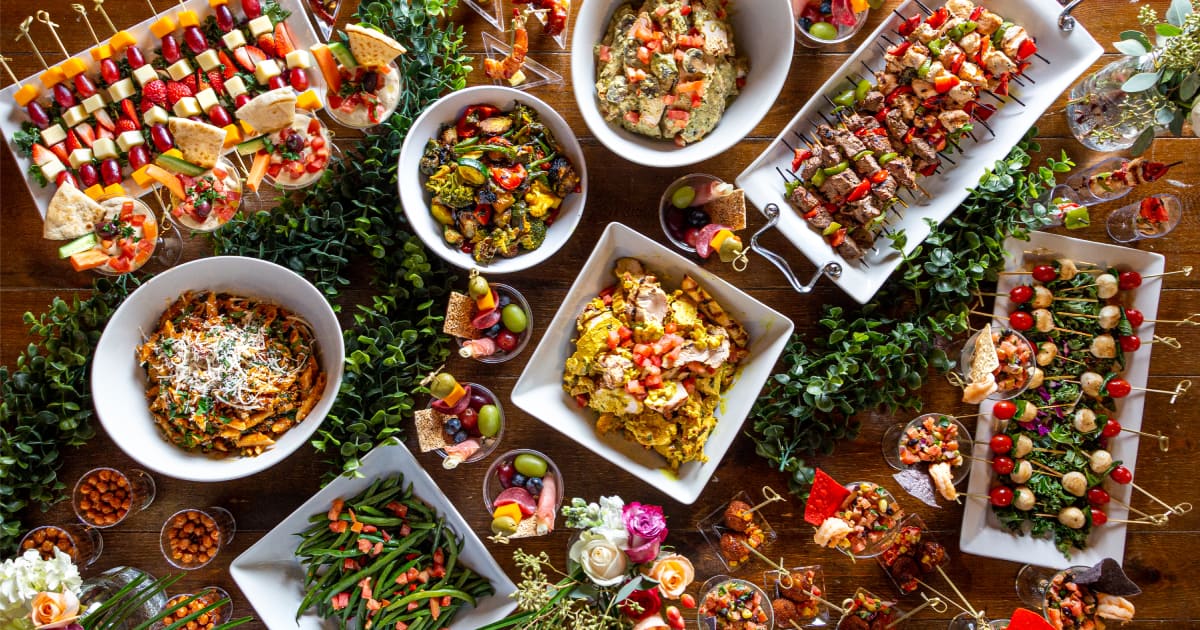
The environment in which your food tasting takes place can greatly impact the overall experience. Choose a space that is clean, well-lit, and free from strong odors that could compete with the food’s natural aroma. Natural light is often preferred, as it allows for accurate assessment of color and presentation. A quiet setting helps minimize distractions, enabling participants to focus entirely on the food. If you’re hosting, provide comfortable seating and enough space for everyone to move around and interact with the dishes without feeling cramped. Use neutral-colored plates and serving dishes to let the food itself be the star. For example, in the US, many organized food festivals and culinary schools pay meticulous attention to these details, knowing that ambiance contributes significantly to how food is perceived. Clear away clutter and ensure the area is at a comfortable temperature. Simple aesthetics often work best, allowing the food to speak for itself. Presentation matters, so ensure dishes are served attractively, even if it’s just a small sample.
Techniques for Mindful Food Tasting and Evaluation
Approaching food tasting with a mindful attitude means engaging all your senses systematically. Start with your eyes: observe the color, texture, and presentation of the food. Does it look appealing? Are there any visible imperfections? Next, bring the food closer and inhale its aroma. What scents do you detect? Are they sweet, savory, pungent, or delicate? This olfactory input is incredibly important, as much of what we perceive as “taste” actually comes from smell. Finally, take a small bite. Don’t rush. Let the food linger on your tongue. Pay attention to the initial taste, how it develops, and the lingering finish. Consider the five basic tastes – sweet, sour, salty, bitter, umami – and how they interplay. Also, note the texture: is it crunchy, smooth, chewy, creamy, or crumbly? Professional tasters often break down these elements, noting the mouthfeel, temperature, and overall balance. A helpful technique is to ask yourself specific questions about each element, such as “What is the dominant flavor?” or “How does the texture contribute to the experience?” This structured approach helps in forming a comprehensive opinion.
Tips for Documenting Your Food Tasting Journey
Documenting your food tasting experiences is a practice that can significantly deepen your appreciation and help you recall specific insights later. Keep a simple notebook or use a digital app to record your observations. For each item tasted, note down the name of the dish or ingredient, where it came from, and the date. Then, list your sensory observations: what did it look like (color, presentation)? What did it smell like (aromas, intensity)? What did it taste like (flavors, sweetness, acidity, saltiness, bitterness, umami)? What was the texture (crunchy, creamy, chewy)? Also, include your overall impression and any personal notes or feelings the food evoked. Assigning a simple rating system (e.g., 1-5 stars) can also be useful for quick comparisons. This systematic recording not only helps you track your preferences but also trains your palate to become more discerning over time. For example, if you’re trying different varieties of cheese, noting the specific characteristics of each can help you identify patterns and learn what you truly enjoy. The act of writing down your thoughts solidifies the experience in your memory and allows for reflection long after the food tasting is complete.