

A well-functioning immune system is fundamental to staying healthy, fending off common illnesses, and recovering quickly when exposed to pathogens. Our daily choices, from the foods we eat to the supplements we take, play a crucial role in building and maintaining this complex defense network. Strengthening your body’s natural resilience requires a consistent approach that feeds and fortifies your immune cells, preparing them to respond effectively to challenges.
Overview
- A balanced diet rich in fruits, vegetables, and lean proteins forms the bedrock of strong immune support.
- Key vitamins like C and D, and minerals such as zinc and selenium, are critical for immune cell function.
- Probiotic-rich foods and supplements promote a healthy gut microbiome, which is closely linked to immune health.
- Herbal supplements like elderberry and echinacea may offer additional protective benefits.
- Adequate sleep, regular physical activity, and stress reduction are non-negotiable for optimal immune function.
- Consider dietary sources first, and use supplements to fill nutritional gaps, especially in regions like the US where certain deficiencies are common.
Essential Foods for Robust Immune Support
The food we consume provides the building blocks and energy for our immune system. Prioritizing nutrient-dense whole foods is paramount for sustained immune support.
Fruits and Vegetables: Citrus fruits, bell peppers, and strawberries are packed with Vitamin C, a powerful antioxidant that helps protect cells and supports various immune functions. Dark leafy greens like spinach and kale offer vitamins A, C, and K, along with folate, all contributing to immune cell health. Berries (blueberries, raspberries) are rich in antioxidants, which combat free radicals that can harm immune cells.
Protein Sources: Lean proteins from chicken, fish, beans, lentils, and nuts provide amino acids, which are essential for building antibodies and immune cells. Zinc, often found in these sources, is a critical mineral for immune cell development and function.
Garlic, Ginger, and Turmeric: These culinary staples are more than just flavor enhancers. Garlic contains allicin, known for its immune-boosting properties. Ginger has anti-inflammatory compounds that can help reduce swelling and discomfort associated with illness. Turmeric, with its active compound curcumin, is a potent anti-inflammatory and antioxidant that supports overall immune health.
Healthy Fats: Fatty fish like salmon and mackerel provide omega-3 fatty acids, which have anti-inflammatory effects that can help regulate immune responses. Nuts and seeds (almonds, walnuts, flaxseeds) also offer healthy fats, along with vitamin E, another antioxidant important for immune function.
Fermented Foods: Yogurt, kefir, sauerkraut, and kimchi are excellent sources of probiotics, beneficial bacteria that populate the gut. A healthy gut microbiome is intimately linked to a strong immune system, as much of our immune activity occurs in the gut.
Key Vitamins and Minerals for Immune Support
While a balanced diet should be the primary focus, specific vitamins and minerals are critically important for the proper functioning of our immune system. Supplementing can be beneficial, particularly if dietary intake is insufficient.
Vitamin C: Perhaps the most famous immune vitamin, Vitamin C is a potent antioxidant that supports the cellular functions of both the innate and adaptive immune systems. It aids in the production of white blood cells and helps them function more effectively.
Vitamin D: Often called the “sunshine vitamin,” Vitamin D plays a vital role in regulating immune responses. Many people, particularly in colder climates or those with limited sun exposure, have suboptimal levels. Studies consistently show that adequate Vitamin D levels are linked to reduced susceptibility to infections. In the US, Vitamin D deficiency is a public health concern, making supplementation often recommended.
Zinc: This essential mineral is involved in over 300 enzymatic reactions in the body, many of which are crucial for immune cell development and communication. Zinc deficiency can impair immune function, making supplementation a useful strategy for some individuals. Foods like oysters, beef, pumpkin seeds, and lentils are good sources.
Selenium: A trace mineral, selenium acts as an antioxidant and is important for thyroid function, which indirectly impacts immunity. It supports immune cell proliferation and cytokine production. Brazil nuts are an exceptionally rich source of selenium.
Vitamin A: Important for the integrity of mucosal surfaces (like those in the respiratory and digestive tracts), which form a first line of defense against pathogens. It also plays a role in the development and differentiation of white blood cells.
Herbal and Probiotic Supplements for Immune Support
Beyond basic vitamins and minerals, certain herbal remedies and probiotics have gained recognition for their roles in immune support.
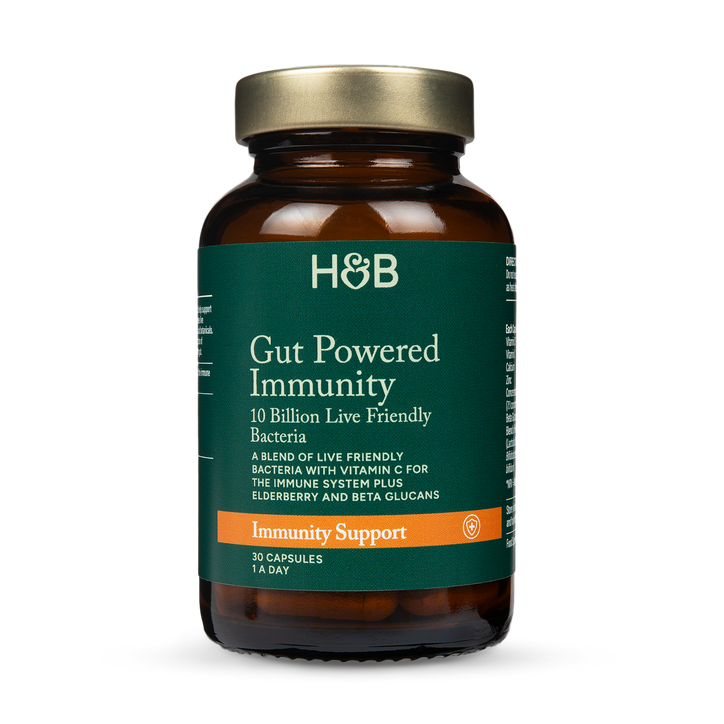
Probiotics: As mentioned, a healthy gut microbiome is foundational for immunity. Probiotic supplements introduce beneficial bacteria to the gut, which can help balance the microbiota, improve digestion, and modulate immune responses. Different strains offer varying benefits, so choosing a diverse or targeted probiotic can be helpful.
Elderberry (Sambucus nigra): This popular herbal remedy has been traditionally used to address cold and flu symptoms. Research suggests that elderberry extracts may help to modulate the immune system and inhibit viral replication, potentially reducing the duration and severity of respiratory illnesses.
Echinacea: Another well-known herb, echinacea is often taken at the first sign of illness. It is believed to stimulate certain immune cells and processes, although its effectiveness can vary.
Medicinal Mushrooms: Varieties like Reishi, Shiitake, and Maitake mushrooms are used in traditional medicine for their immune-modulating properties. They contain compounds called beta-glucans, which are thought to prime the immune system to respond more effectively to invaders.
Andrographis: This herb has a long history of use in Ayurvedic and Traditional Chinese Medicine. It’s often used for respiratory infections, with some studies suggesting it can help reduce the symptoms and duration of the common cold.
Lifestyle Practices that Aid Immune Support
While foods and supplements provide essential nutrients, holistic immune support extends to daily lifestyle choices. These practices create an optimal internal environment for your immune system to thrive.
Adequate Sleep: Sleep is not a luxury; it’s a critical component of immune health. During sleep, your body produces and releases cytokines, proteins that target infection and inflammation, and also creates antibodies and immune cells. Chronic sleep deprivation can suppress the immune system, making you more vulnerable to illness. Aim for 7-9 hours of quality sleep per night.
Regular Physical Activity: Moderate, regular exercise can help flush bacteria out of the lungs and airways, reducing the chances of getting a cold or flu. It also increases the circulation of white blood cells, which detect and fight illness. Avoid over-training, as extreme or prolonged strenuous exercise can temporarily suppress immune function.
Stress Management: Chronic stress can take a significant toll on your immune system by releasing cortisol and other hormones that suppress immune function. Practicing stress-reducing techniques like meditation, yoga, deep breathing exercises, spending time in nature, or engaging in hobbies can help keep stress levels in check and support a healthy immune response.
Stay Hydrated: Water is essential for every bodily function, including those of the immune system. Proper hydration helps your body produce lymph, which carries white blood cells and other immune cells throughout the body. It also aids in flushing out toxins and ensuring all your systems are running smoothly.
Maintain a Healthy Weight: Obesity can negatively impact immune function, increasing susceptibility to infections and impairing vaccine effectiveness. Maintaining a healthy weight through diet and exercise helps support overall health, including the immune system.